What Is Tier 1 PBIS?
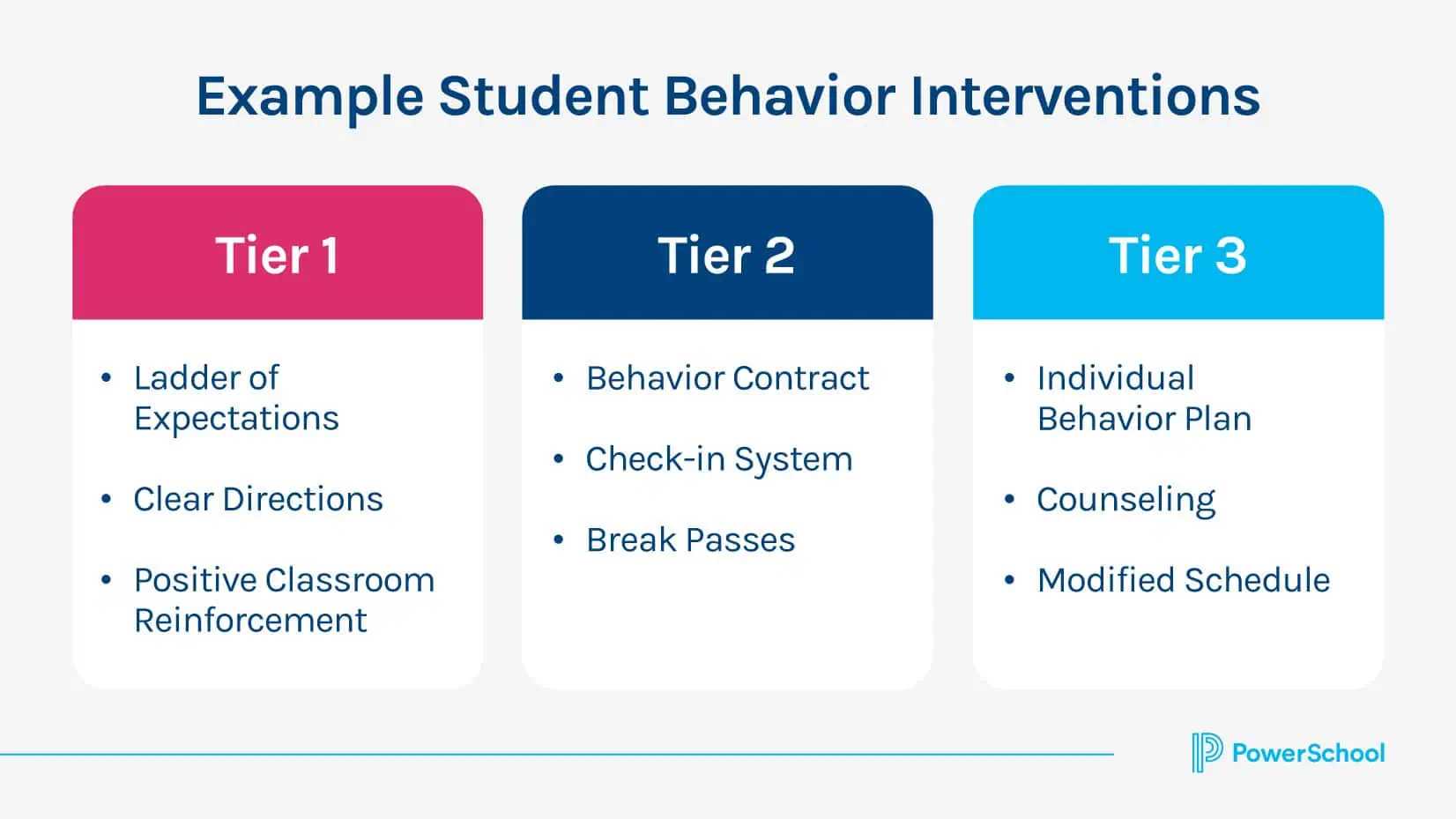
Overview
Tier 1 PBIS (Positive Behavioral Interventions and Supports) is the foundation of the PBIS framework. It includes the schoolwide expectations, routines, and supports that all students receive. Tier 1 focuses on building a positive, predictable, and safe school climate by teaching behaviors proactively rather than reacting to misbehavior. About 80–85% of students will succeed with Tier 1 supports alone.

Why do schools use it?
Schools implement Tier 1 PBIS because it:
-
Reduces problem behaviors through prevention and clarity.
-
Improves academic outcomes by minimizing disruptions.
-
Creates consistency across classrooms, teachers, and grade levels.
-
Increases teacher and student confidence in expectations.
-
Promotes equity by ensuring all students are taught expectations directly.
PBIS is not a program—it is a framework for making decisions using data, evidence-based practices, and
consistent schoolwide systems.
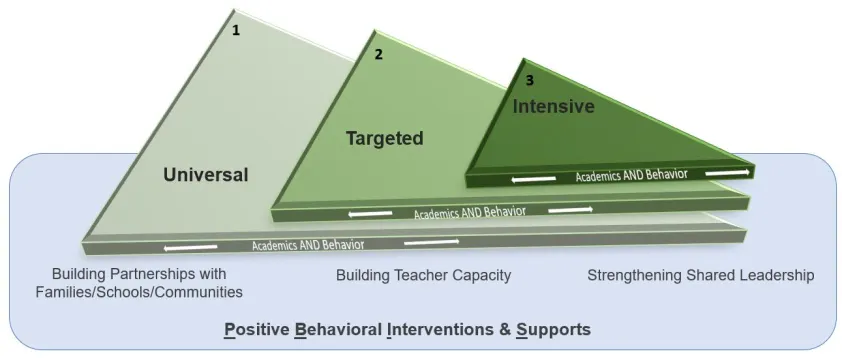
What does Tier 1 PBIS mean?
Tier 1 PBIS means the entire school community (students, teachers, bus drivers, cafeteria staff, administrators, and families) follows the same:
-
Expectations
-
Procedures
-
Acknowledgment system
-
Behavior language
PBIS ensures that a student can walk anywhere in the school and know exactly what behavior is expected. This consistency reduces anxiety, increases safety, and supports social-emotional success.
Tier 1 Behavior Matrix
Schoolwide Expectations:
-
Be Respectful
-
Be Responsible
-
Be Safe
-
Be Ready to Learn
Setting Be Respectful, Be Responsible, Be Safe, Be Ready to Learn.
Classroom: Use positive language; follow teacher directions. Complete work; bring necessary materials. Keep hands/feet to self; follow safety routines. Be on time; actively participate
Hallways : Use quiet voices; allow others to pass. Walk directly to the destination on the right side; keep a space between others. Move efficiently; have materials ready
Cafeteria manners: speak at an appropriate volume. Clean up your area; follow routines. Stay seated; walk at all times. Bring lunch items; follow procedures
Restrooms: Give others privacy; wait your turn. Flush; wash hands; return promptly. Keep water in the sink; keep floors clean. Use the restroom during appropriate times
Playground: Include others; share equipment. Return equipment; follow rules. Use equipment correctly; report concerns. Line up quickly when prompted
Bus Use kind words; follow the driver's directions. Keep your belongings with you. Stay seated; keep aisles clear. Be prepared for safe loading/unloading
Tier 1 Schoolwide Reward System
Purpose
Encourage and reinforce positive, prosocial behaviors aligned with schoolwide expectations.
How Students Earn Rewards
Students earn PBIS Points/Tickets when they demonstrate behaviors aligned with the matrix.
Behaviors must be:
✔ observable
✔ specific
✔ immediate
✔ tied to expectations
Examples of Rewardable Behaviors:
-
Helping a peer without being asked
-
Following hallway expectations
-
Turning in work on time
-
Demonstrating kindness, self-control, or problem-solving
Who Can Give Rewards
-
Teachers
-
Paraprofessionals
-
Bus drivers
-
Office staff
-
Custodians
-
Cafeteria workers
-
Administrators
(Important PBIS principle: everyone in the building is responsible for acknowledging positive behavior.)
Reward Tiers
Daily Incentives
-
PBIS tickets/points
-
Positive phone call or message home
-
Special classroom privileges (flex seating, helper roles)
-
Stickers or stamps (for younger students)
Weekly Incentives
-
Small prize drawing
-
Choice time
-
Extra recess
-
Lunch with a teacher
Monthly Incentives
-
PBIS Schoolwide Celebration (dance, game day, movie)
-
School store access
-
Grade-level assemblies
-
Recognition certificates
Quarterly / Semester Incentives
-
Field trip eligibility
-
Honor roll recognition
-
PBIS VIP Day (special activities or privileges)
Annual Incentives
-
Awards ceremony
-
PBIS All-Stars celebration
-
Special schoolwide event (carnival, festival, field day)
Parent & Non-Instructional Staff Involvement
Parent Partnership
-
Monthly newsletters explaining expectations & PBIS data
-
Parent training video or handout: “How to Reinforce Expectations at Home”
-
Parents invited to schoolwide celebrations
-
Home-school PBIS point boosters (family rewards or check-ins)
Non-Instructional Staff Involvement
-
Training on expectations & reinforcement
-
Common language scripts for bus, cafeteria, and recess staff
-
Staff ability to distribute PBIS rewards
-
Staff participation in monthly celebrations
-
Clear communication channels to report positive behavior and concerns
Major/Minor Infractions Chart
Minor Infractions (Handled by Classroom Staff)
-
Off-task behavior
-
Disruptive talking or noises
-
Failure to follow directions
-
Minor disrespect (eye-rolling, talking back)
-
Lack of preparedness
-
Minor physical contact (playful pushing)
-
Technology misuse (non-disruptive)
Responses to Minor Infractions
-
Redirect
-
Reteach expectation
-
Proximity control
-
Classroom conference
-
Logical consequence
-
Parent contact (if repeated)
-
Minor office referral for repeated behaviors (5 minors = 1 major)
Major Infractions (Handled by Administration)
-
Aggressive physical contact (fighting, hitting)
-
Threats or harassment/bullying
-
Major defiance or refusal to comply
-
Vandalism or property damage
-
Significant technology violation (hacking, inappropriate content)
Responses to Major Infractions
-
Office referral
-
Administrative conference
-
Restorative conversation or mediation
-
Behavior contract
-
In-school or out-of-school suspension (as last resort)
-
Parent conference
-
Possible Tier 2 referral
Tier 1 Consequences Hierarchy
Schoolwide Logical, Progressive Consequences
-
Prompt/Redirect
-
Reteach the Expectation
-
Conference with Student
-
Logical Consequence
-
Loss of privilege
-
Think sheet
-
Seat change
-
-
Parent Notification
-
Minor Referral
-
Office Referral (if repeated or severe)
Classroom Consequences Hierarchy (Teacher Managed)
-
Non-verbal cue
-
Proximity or visual reminder
-
Reteach expectation
-
Quiet conference/reflection sheet
-
Loss of classroom privilege
-
Parent contact
-
Minor referral
-
Involving support staff (counselor, behavior coach)
PBIS Principle: Consequences should be instructional, logical, and paired with reteaching—never punitive alone.
Create Your Own Website With Webador